
Introduction to Cycling Safety
Embarking on a cycling journey, whether as a beginner or a seasoned expert, brings both excitement and responsibility. Cycling safety is paramount, not only to ensure the well-being of the rider but also to enhance the overall enjoyment of this eco-friendly and invigorating activity. Understanding the fundamental principles of cycling safety is essential for anyone who wishes to navigate the roads with confidence and peace of mind.
For beginners, the world of cycling may seem daunting at first, filled with a myriad of rules and equipment options. However, grasping the basics of safety can be straightforward and immensely rewarding. Wearing a properly fitted helmet, understanding the rules of the road, and maintaining a well-functioning bicycle are foundational steps. These elements form the cornerstone of a safe cycling experience, paving the way for new cyclists to explore their surroundings without unnecessary risk.
Experts, on the other hand, may seek advanced safety measures to elevate their cycling experience. Utilizing high-visibility gear, mastering advanced maneuvering techniques, and staying informed about the latest safety technology are crucial for those looking to push their limits while minimizing risk. Additionally, experienced cyclists can contribute to community safety by participating in local cycling events or advocacy groups.
By prioritizing safety, cyclists of all levels can focus on what truly matters: the thrill of the ride, the freedom of exploration, and the joy of sustainability. Whether you’re gearing up for a leisurely ride through the park or an intense training session, embracing safety as an integral part of your cycling routine ensures a more fulfilling and secure journey.
Understanding the Basics of Cycling Safety
Whether you’re a beginner cyclist discovering the joy of the open road or an expert looking to hone your skills, understanding the fundamentals of cycling safety is paramount. At its core, cycling safety encompasses practices and precautions that protect you while enhancing your riding experience. With the right knowledge and tools, you can confidently navigate your cycling adventures, ensuring both enjoyment and security.
Essential Safety Gear
Safety begins with the right gear. A well-fitted helmet is non-negotiable—it’s your first line of defense against injuries. Choose one that meets safety standards and fits snugly. Bright clothing and reflective materials are also crucial, especially for those cycling in low-light conditions. They enhance your visibility to drivers and other cyclists, reducing the risk of accidents.
Understanding Traffic Rules
Just as drivers must adhere to traffic regulations, cyclists are obliged to follow them too. This includes stopping at red lights, using hand signals when turning, and riding in designated bike lanes where available. Understanding these rules not only keeps you safe but also promotes harmony between cyclists and motorists.
Regular Bike Maintenance
A well-maintained bike is a safe bike. Regularly check the brakes, tires, and chains to ensure they are in optimal condition. A small investment of time in maintenance can prevent larger issues while riding, keeping you safe and your bike in top shape.
Embracing these basics of cycling safety will not only protect you but also enhance your overall cycling experience. As you become more familiar with these practices, you’ll find that safety becomes second nature, allowing you to focus on the thrill of the ride.
Essential Safety Gear for Every Rider
Whether you’re a novice cyclist just beginning to explore the thrill of the open road, or an experienced rider seeking to enhance your cycling adventures, equipping yourself with the right safety gear is paramount. The importance of wearing the appropriate protective equipment cannot be overstated, as it serves as the first line of defense against potential hazards you might encounter on your journey.
Helmets: Your First Line of Defense
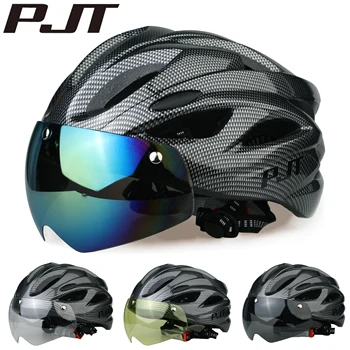
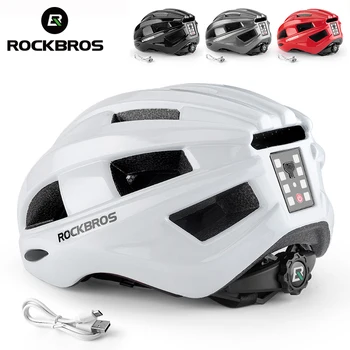
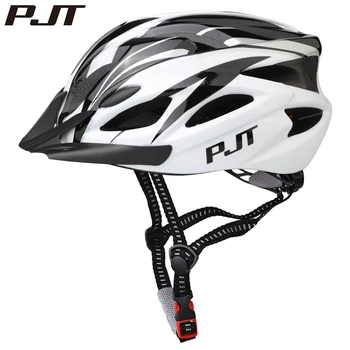
Wearing a helmet is non-negotiable for cyclists of all skill levels. A well-fitted helmet can significantly reduce the risk of head injuries in the event of an accident. It’s crucial to select a helmet that meets safety standards, fits snugly, and provides adequate ventilation for comfort during long rides.
Protective Clothing and Accessories
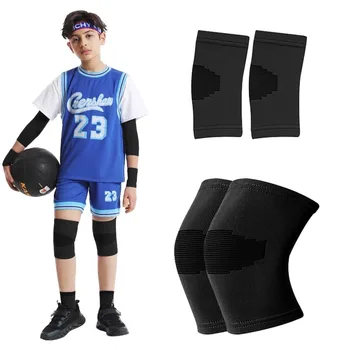
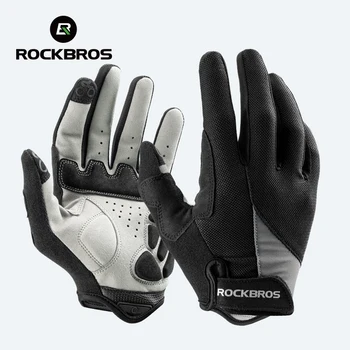
Cycling attire is more than just a fashion statement; it’s a functional part of your safety arsenal. Brightly colored clothing increases visibility to motorists, especially in low-light conditions. Consider investing in reflective gear for nighttime rides. Additionally, padded gloves can protect your hands, reduce vibrations, and enhance grip, while cycling shorts with padding improve comfort and prevent chafing on extended journeys.
Footwear and Lighting
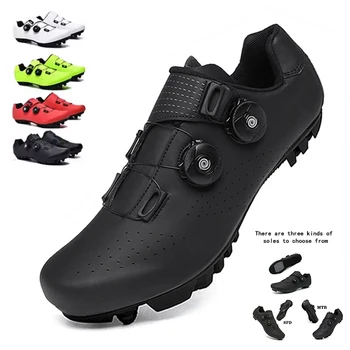
Proper footwear not only enhances pedaling efficiency but also prevents foot injuries. Sturdy cycling shoes with a good grip are recommended. Lighting is another critical component of cycling safety. Front and rear lights, as well as reflective strips, ensure you are visible to others, allowing you to navigate safely in any weather condition.
By prioritizing safety gear, you are not only safeguarding yourself but also enhancing your overall cycling experience.
Expert Tips for Advanced Cyclists
For those who have transcended the initial hurdles of cycling and are now looking to enhance their skills further, the journey requires a fine-tuned approach. Advanced cyclists are not merely seeking thrills; they aim to optimize performance, prolong their cycling lifespan, and potentially engage in competitive scenarios. Here, we delve into some expert tips that can help you reach those advanced cycling goals.
Prioritize Safety Gear
Even at an advanced level, the importance of safety gear cannot be overstated. High-quality helmets, protective eyewear, and proper cycling shoes are essential. Consider investing in a helmet with advanced impact protection technology and ensure that your eyewear offers UV protection and impact resistance.
Mastering Bike Maintenance
Regular maintenance is critical to ensure your bike performs optimally. Advanced cyclists should be adept at performing routine checks and minor repairs. This includes monitoring tire pressure, lubricating the chain, and checking the brakes. Such practices not only enhance performance but also prevent unexpected breakdowns.
Optimize Your Training Regimen
Advanced cyclists should tailor their training to include a mix of endurance rides, interval training, and strength conditioning. Embrace varied terrains to challenge your skills and improve stamina. Integrating cross-training activities, such as swimming or running, can also enhance overall fitness and prevent burnout.
Embrace Technological Advancements
Utilize technology to improve your cycling experience. GPS devices, cycling apps, and smart trainers can provide valuable data and insights into your performance. These tools can help you set realistic goals, track progress, and adjust your training plan accordingly.
By implementing these advanced cycling tips, you can hone your skills and elevate your cycling experience to new heights. Remember, cycling is as much about the journey as it is about the destination.
Beginner Safety Tips to Build Confidence
Embarking on a cycling journey can be both exhilarating and daunting, especially for beginners who are just finding their wheels in this dynamic world. Prioritizing safety not only enhances your riding experience but also builds the confidence necessary to tackle new challenges. Here, we delve into essential safety tips that cater to novices eager to embrace cycling with assurance.
Start with the Right Gear
Your safety begins with equipping yourself with the appropriate gear. A well-fitted helmet is crucial as it protects you from potential head injuries. Ensure it sits snugly and comfortably on your head, covering the forehead without obstructing your vision. Invest in high-visibility clothing to make yourself conspicuous to other road users.
Understand Traffic Rules
Familiarizing yourself with traffic rules is imperative for safe cycling. Adhere to road signs and signals just like other vehicles. Ride in the same direction as the traffic flow and always use hand signals to indicate turns. This not only safeguards you but also fosters mutual respect among road users.
Practice in Safe Areas
Gaining confidence on a bicycle comes with practice. Start in quiet, low-traffic areas or designated cycling paths to hone your skills. This allows you to focus on mastering balance, steering, and braking without the stress of navigating busy streets.
Regularly Maintain Your Bicycle
A well-maintained bicycle is a safe bicycle. Regularly check tire pressure, brakes, and gears to ensure everything is in optimal working condition. A minor oversight can lead to major accidents, so make it a habit to inspect your bike before every ride.
By integrating these safety measures into your cycling routine, you not only enhance your personal safety but also contribute to a culture of responsible cycling. As you become more comfortable, your confidence will grow, allowing you to explore new routes and enjoy the myriad benefits of cycling.

0 Comments